In our previous post, we saw through Scripture that Christ is reigning now because of His resurrection and ascension. His kingdom is present on earth through all who are kingdom citizens. These truths raise important questions about the present form of the kingdom of God.
If the kingdom of God is manifest on earth through the church, how does it appear? Should Christians view themselves as part of both a spiritual and a political movement? Is the kingdom of God, as expressed in the church, designed to rule over the nations in this present age?
The Present Form of the Kingdom
To answer these questions, we must understand two key aspects of the kingdom’s present form.
The present form of the kingdom is not political, physical, or tied to a specific location; it is a spiritual kingdom. However, its spiritual nature does not detach it from creation. In fact, it grounds its reality in creation because the church is the kingdom as a new creation. The church embodies the spiritual kingdom as a community of people recreated by the Spirit of God.
Paul’s prayer for the Ephesians illustrates this truth. He prays that they would grasp their hope in Christ, the inheritance awaiting them in glory, and the immense power of God working on behalf of believers (Ephesians 1:18-23). From this passage, we see that Christ reigns over the church as His kingdom, a reign that began through His resurrection and ascension. In Ephesians 2, Paul explains that believers are now citizens of the kingdom of God, having been raised up with Christ and seated with Him in heavenly places.
These marvelous truths are result of the work of the Holy Spirit. Believers are a spiritual manifestation of the kingdom on earth—not because we are physically on earth, but because, through the Spirit, we are already seated in heaven where Christ reigns. As new creatures, we are kingdom citizens living within the old creation.
Paul reinforces this in Colossians 3:1-10, stating that Christ reigns, and we are in His kingdom because we have been raised with Him. Our lives are now located in heaven. We have put off the old creation in Adam and put on the new creation in Christ. Thus, the kingdom is manifest in the church as a creation of the Spirit—a new creation, spiritually raised from the dead and seated with Christ in heaven.
The tension of our current situation is that we are internally a new creation while still living physically in the old creation. The Corinthians misunderstood this reality, believing that as “kings” they could indulge in the pleasures of their society (1 Corinthians 4:8). However, the Christian’s kingdom is not part of this creation; it awaits us in the new creation. We live in old creation bodies as new creatures in Christ in a world still under the curse of sin. This world is not our home.
Peter echoes this after declaring believers a kingdom of priests and a holy nation. He describes us as a Spirit-wrought new creation living in a world that wages war against the soul (1 Peter 2:9-11). The Spirit-wrought kingdom in the church will never be at home in the old creation because it transcends it. The old creation, spiritually dead and under sin’s curse, will never embrace the new creation. The only way the old creation becomes hospitable to the new is if it, too, becomes new.
The Future Hope of the Kingdom
The present form of the kingdom of God on earth is temporary and will be surpassed by a greater, final fulfillment of God’s promises. The current reality of God’s kingdom is not its ultimate expression.
The New Testament repeatedly points to a future hope. The unrighteous will not inherit the kingdom of God, indicating a future inheritance not yet realized (1 Corinthians 6:9-10). Those who live according to the flesh will not inherit the kingdom (Galatians 5:21). No wicked person has a share in the kingdom of Christ and God (Ephesians 5:5). God’s judgment on persecutors ensures that Christians are considered worthy of the kingdom of God for which we now suffer (2 Thessalonians 1:5). Paul trusted the Lord to bring him safely into His heavenly kingdom (2 Timothy 4:18).
It is critical not to mistake the present form of the kingdom for its final form. This future hope guards against errors, like those of the Roman Catholic Church in the Middle Ages, and motivates us to endure suffering and to serve our King. An inheritance awaits us, when our weak, perishable bodies will be raised imperishable, fully prepared to inherit the kingdom’s fullness (1 Corinthians 15:50-58). Based on this promise, Christians are exhorted to remain steadfast, immovable in the gospel’s truth, knowing our obedience to the King is not in vain.
The writer of Hebrews echoes this, stating that we are receiving a kingdom that cannot be shaken (Hebrews 12:28-29). We are in the kingdom now, but we have not fully received it. Because we belong to an unshakable kingdom that will fulfill God’s promises, let us serve God with gratitude, reverence, and awe, knowing our Lord is a consuming fire.
Conclusion: The Best Is Yet to Come
We are citizens of God’s kingdom now, made new by the Spirit’s power. Believers are raised with Christ, spiritually alive through His resurrection, and seated with Him in heavenly places. We are aliens and strangers in this present world.
Yet the best is yet to come. When our Lord returns, we will experience the consummation of the kingdom. Paul links the kingdom of God to Christ’s appearing to judge the living and the dead (2 Timothy 4:1, 8). At that time, the crown of righteousness will be given to all who love the Lord. Let us hold fast to this hope, living as faithful citizens of the kingdom that is now and is yet to come.

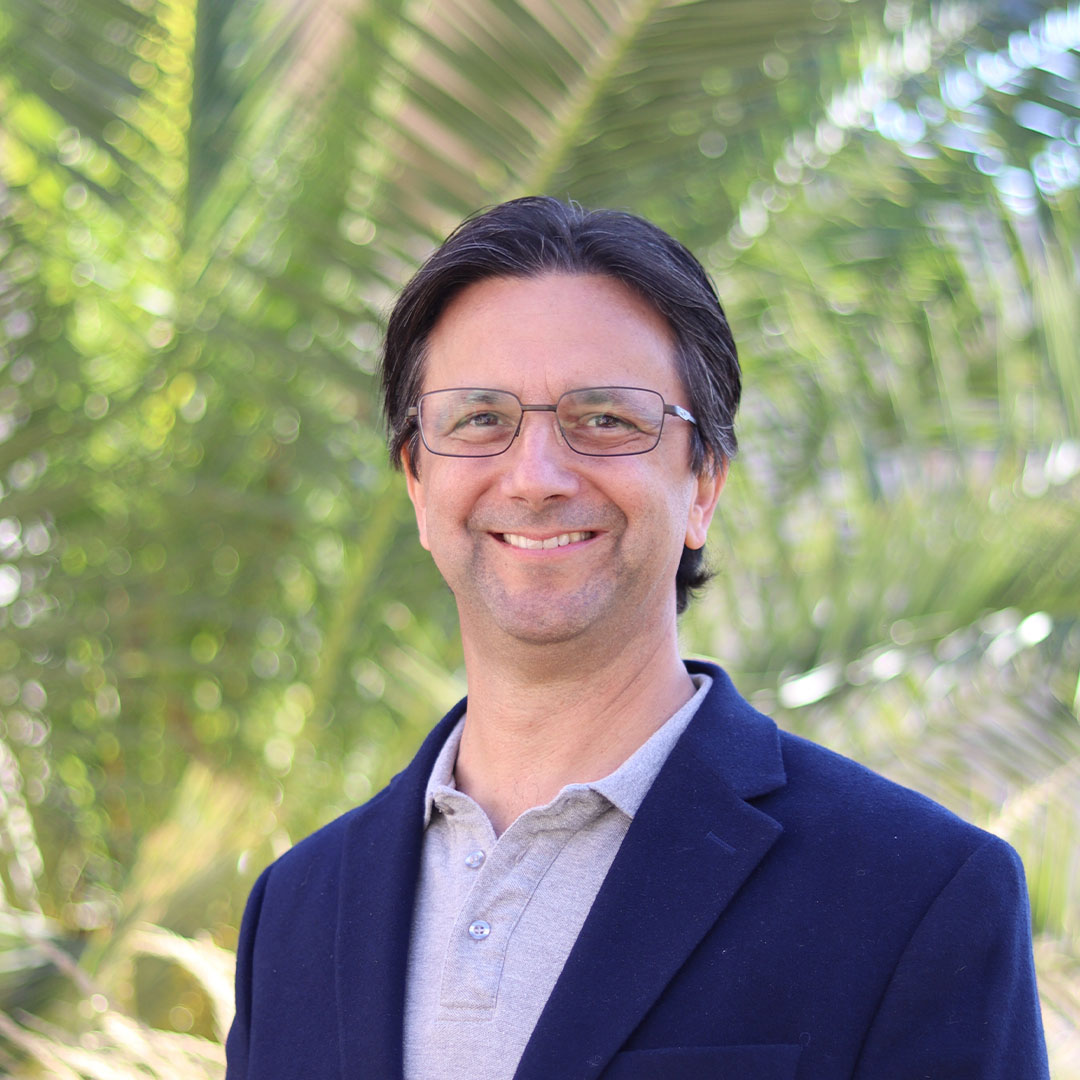
Pastor Robb has been the pastor-teacher of DHBC since March 2011. He earned a Master of Divinity (M.Div.) degree from The Master’s Seminary in Sun Valley, CA, and a Doctor of Philosophy (Ph.D.) degree from The Southern Baptist Theological Seminary in Louisville, KY. Pastor Robb and his wife Randi have been married for over twenty years and have four children: two daughters and two sons. They enjoy travel, hiking, baseball, and the beach.
One of Pastor Robb’s favorite verses is 1 Corinthians 1:18: “For the word of the cross is foolishness to those who are perishing, but to us who are being saved it is the power of God.” In addition to preaching weekly, Pastor Robb enjoys hosting the podcast Relentlessly Biblical. You can find him on X at @RobbBrunansky.