When governments began trying to shut down churches five years ago in response to COVID-19, many churches rightly pushed back against this government overreach, ignoring government recommendations or defying government mandates to close the church.
During this time, one phrase that was increasingly popular among Christians was the phrase Christ is King. This statement became common because it asserted that Christ is Lord over the church, not the government. The government has a sphere of authority where it rightfully enforces laws, but there are limits to that authority.
One area where God has not delegated authority to the government is over the worship of the church of Jesus Christ. Christ alone is Lord of the church. So saying Christ is King became a rallying cry of sorts during this pivotal and vulnerable time in our society, protesting government overreach and declaring that the church is under the ultimate authority of Jesus Christ.
Since then, this phrase has become ubiquitous in many Christian circles. We can find it on t-shirts, bumper stickers, water bottles, and hats. The phrase is frequently proclaimed on social media accounts and posts. We will even hear people chanting “Christ is King” at political rallies.
All of that context gives rise to the question, “What does it mean that Christ is King?” What is Jesus’ kingdom, and how does He exercise His rule? We are faced with the necessity of understanding the nature and significance of the kingdom of God when we consider this declaration of the kingship of Christ.
Since we are in 1 Corinthians 6:9-10, where Paul says that the unrighteous will not inherit the kingdom of God, it seemed like a good opportunity to stop to think about the meaning of this kingdom. It’s important that we take this detour because the concept of the kingdom of God is not often understood – even by those who talk about it.
Today, more than perhaps any other time in our recent history, people are interested in the kingdom of God. Some groups are trying to usher in the kingdom of God in this present world through various means. Others believe the kingdom of God has to do with signs and wonders theology. Some think the kingdom of God is synonymous with heaven. Some groups assert that the kingdom of God is something in the future during an earthly restoration of the Old Testament kingdom of Israel. Other people think the church itself is the kingdom of God. We begin to see how much confusion there is over what exactly the Bible means when it talks about the kingdom of our Lord.
We could ask some important questions about the kingdom of our God to demonstrate how complex and even controversial it is in the limited realm of our moral understanding.
For example, can human beings usher in the kingdom of God – and if so, what should we do to usher in this kingdom? Or, if not, what do we mean when we talk about advancing God’s kingdom in the world? Or, what is the relationship between the church and the kingdom of God?
Another important question is this: What is the relationship of the nation of Israel to the kingdom of God – in the past, present, and future? We could add to that the question of modern nation-states and their relationship to the kingdom of God.
A common phrase in our nation historically was the phrase manifest destiny, which was the idea that the United States in some sense overlapped with God’s kingdom. Is there any relationship between our nation and God’s kingdom, and if there is, what is the nature of that relationship?
Also, when we pray as Jesus taught us to pray, “Your kingdom come,” what are we really asking God to do?
There are many other questions we could ask – many of which we will cover as we go through this series to come to a greater understanding of the kingdom of God. Over the next several posts we will be digging into this rich biblical concept. Check back for part 1 soon, or subscribe to the blog to get updates sent right to your inbox!

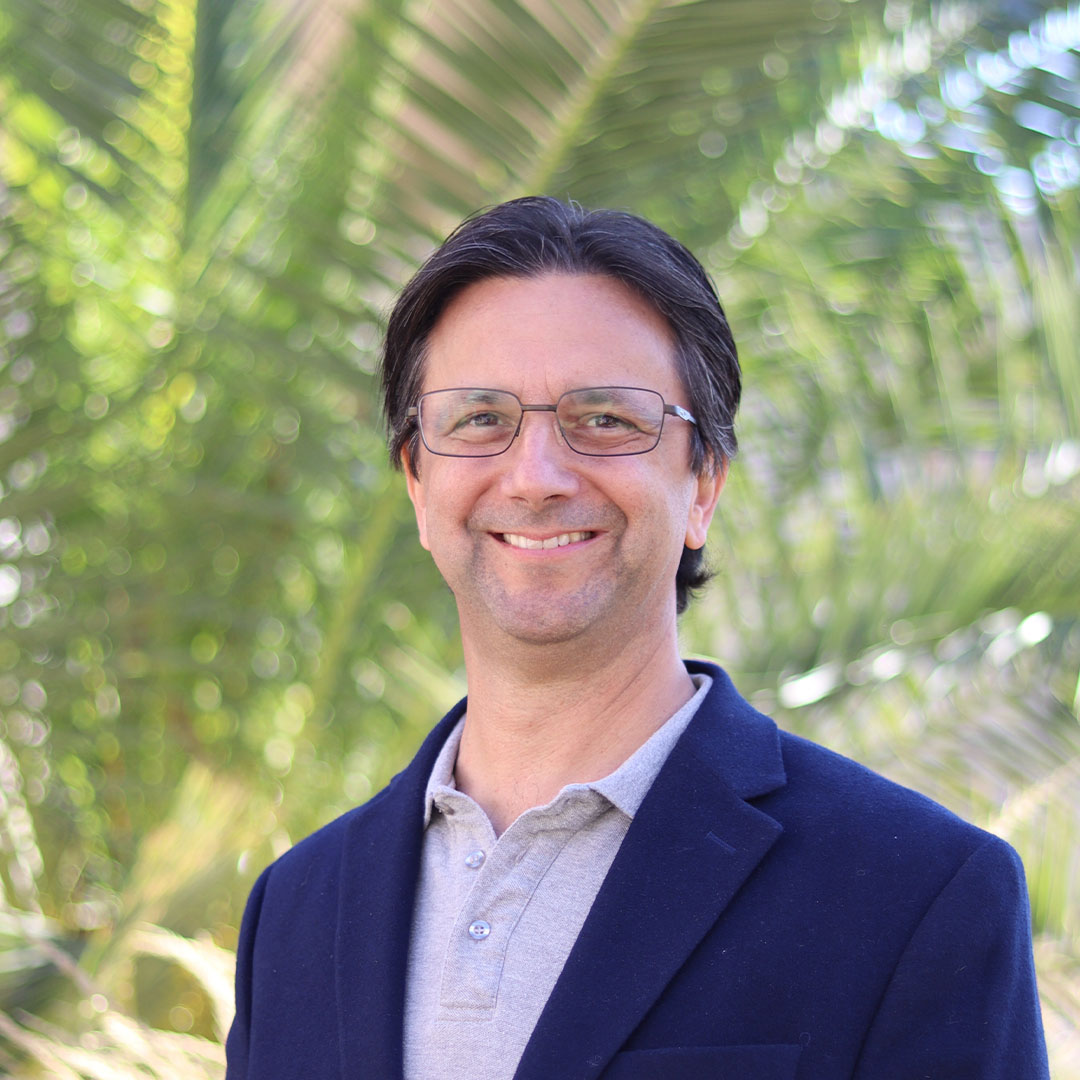
Pastor Robb has been the pastor-teacher of DHBC since March 2011. He earned a Master of Divinity (M.Div.) degree from The Master’s Seminary in Sun Valley, CA, and a Doctor of Philosophy (Ph.D.) degree from The Southern Baptist Theological Seminary in Louisville, KY. Pastor Robb and his wife Randi have been married for over twenty years and have four children: two daughters and two sons. They enjoy travel, hiking, baseball, and the beach.
One of Pastor Robb’s favorite verses is 1 Corinthians 1:18: “For the word of the cross is foolishness to those who are perishing, but to us who are being saved it is the power of God.” In addition to preaching weekly, Pastor Robb enjoys hosting the podcast Relentlessly Biblical. You can find him on X at @RobbBrunansky.